
In-depth expertise.
Our specialists work with intellectual property every day, so they know exactly how to avoid mistakes.

Trademark registration is an official procedure that grants a business exclusive rights to use its designation (name, logo, slogan, or other element) that distinguishes its goods or services from those of competitors. This step is extremely important for those who seek to increase brand recognition among consumers and strengthen their market position.
Anton Shukhnin and his team provide professional trademark registration services, offering full legal support at every stage — from selecting the appropriate designation to obtaining the certificate.
Our approach is based on a deep understanding of legislation, the examination practice of UKRNOIVI, and the real business needs of entrepreneurs.
The Ukrainian market is showing rapid growth in the number of new brands. Between 2015 and 2024 alone, more than 267,000 trademark registration applications were filed. This indicates intense competition, where success belongs to those who ensure timely legal protection of their name or logo.
Despite the current challenging times, Ukrainian businesses are actively recovering and relying on intellectual property as an effective tool for growth.
That is why today official trademark registration is not just a legal formality, but a real necessity that makes it possible to:
Trademark registration in Ukraine is administered by the state organization Ukrainian National Office for Intellectual Property and Innovations (UKRNOIVI). Below, we will review the trademark registration procedure in Ukraine and the advantages it provides.

REGISTRATION OF TRADEMARKS IN UKRAINE IS A RATHER COMPLEX AND LENGTHY PROCESS, WHICH CONSISTS OF THE FOLLOWING STAGES:
The validity period of a trademark certificate is 10 years. It can be renewed for additional 10-year periods an unlimited number of times. To do so, an application must be filed and the state fee paid. Please note that documents must be submitted to UKRNOIVI in advance—no later than 6 months before the certificate expires—otherwise, the amount of the state fee may increase significantly.
Only its owner has the right to officially use the name, logo or other designation of a trademark in its activities. No one else has the right to use it without permission.
Registration prohibits other companies or individuals from using identical or similar marks. This helps prevent situations where competitors attempt to take advantage of someone else’s reputation for their own benefit.
You can initiate the termination of the illegal use of TM and seek the blocking of Internet resources, protecting your interests in court.
A registered TM is an intangible asset that can be sold, inherited, licensed and included in the authorized capital of the company.
An officially registered trademark demonstrates the seriousness of the company and adds a huge plus to its reputation.
Having a registered trademark makes it possible to freely expand the range of goods and services and enter international markets by registering the trademark under the Madrid System in member countries. Currently, the system covers more than 130 countries worldwide, including all 27 EU member states.
All investments in goods and services—such as advertising activities, brand identity development, and packaging design—will pay off 100% only when the trademark officially belongs to its owner.
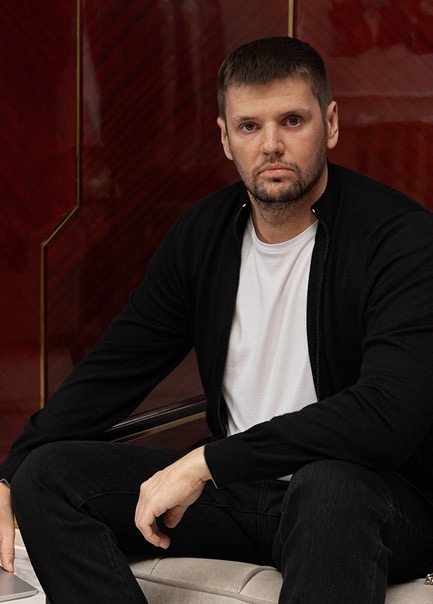

Our experts have extensive practical experience in the fields of intellectual property and financial law, which allows them to act quickly, precisely, and without errors, preventing potential risks already at the application planning stage.
Our specialists work with intellectual property every day, so they know exactly how to avoid mistakes.
You do not need to interact with UKRNOIWI experts — we take care of everything.
You have a clear understanding of the timing, cost, and prospects, so you can plan your future activities without hesitation.

A trademark is a designation used to distinguish the goods or services of one company from those of others. The most common types of trademarks are word marks (consisting only of words, letters, or numbers), figurative marks (consisting of images, symbols, ornaments, or their combinations), and combined marks (combining word and graphic elements). Less common types include three-dimensional marks (for example, the iconic Coca-Cola bottle), sound marks (the Nokia ringtone), and color marks (such as Tiffany Blue).
In practice, a trademark is an element of corporate identity and an important marketing tool. Its main purpose is to protect the brand from copying and help consumers easily recognize products or services in the market.
After registration, a trademark acquires the status of an intellectual property object. Its owner receives exclusive rights to use it and, in the event of infringement, may protect their interests in court.
You can register for an individual, sole proprietorship, or legal entity — depending on who owns the rights to the TM.
The duration depends on the procedure and the workload of the organ. Usually, the process takes several months (the exact period is after analyzing the case).
Classes are selected according to the goods/services that the business works with and taking into account development plans so that the protection is sufficient.
Full legal protection comes after registration and receipt of the certificate. In certain cases, the date of application is also important.
For example, due to similarity with already registered designations, descriptiveness, violation of legal requirements or other grounds for examination.

